Find Texas Schools and Independent School Districts

SCHOOL LUNCH AND BREAKFAST

School meals

Dickinson ISD Taste Testing

Nutritious School Meals in Texas Public Schools

School meals help students focus, learn, and grow. Texas public schools offer breakfast and lunch through federally supported programs designed to make sure every student has access to healthy food throughout the school year—and even during summer break.

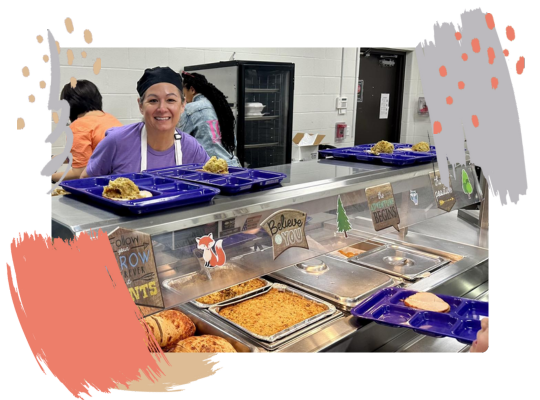
The Angelton ISD nutrition department created and served special holiday meals for students.

The Angelton ISD nutrition department created and served special holiday meals for students.

School lunch and breakfast 

School meals are carefully designed to support students’ health and learning. They follow the USDA Dietary Guidelines for Americans, which set standards for nutrition, food safety, and balanced eating. A typical lunch includes fruits, vegetables, whole grains, lean proteins, and milk. Many schools also offer breakfast to help students start the day focused and ready to learn.

In recent years, nutrition standards for school meals have been updated to include more healthy ingredients such as fresh produce and whole grains, while reducing items like sodium and trans fats. According to the Center for Science in the Public Interest, these improvements make school meals healthier and more beneficial for growing kids.

Public schools are required to follow these federal nutrition and safety standards, while some charter or private programs may follow different guidelines.

Free & Reduced‑Price Meals

School meal programs in Texas are designed to ensure that every student has access to healthy food, no matter their family’s financial situation. Many families qualify for free or reduced-price meals through the National School Lunch Program (NSLP) and School Breakfast Program (SBP), which help remove cost as a barrier to good nutrition.

Eligibility is typically based on household income and family size, but children may also qualify automatically under certain conditions. Your child may be eligible if your household:

  • Receives SNAP (food stamps), TANF, or Medicaid

  • Meets the income guidelines set by the USDA

  • Is part of the foster care system

  • Is homeless, a migrant, or a runaway

  • Participates in Head Start

Some schools also participate in special programs that provide free meals to all students, regardless of income. Check with your school district to learn what’s available in your area.

How to Apply

Most schools send meal applications home at the beginning of the school year, but families can apply online through their district’s child nutrition department at any time. Only one application is needed per household; all information is kept private and secure.

Summer Meal Programs

When school is out, free summer meals are available to children and teens through the Summer Meal Programs offered in communities across Texas. These programs are open to anyone 18 and under, and no registration or application is needed.

Meals are typically served at schools, parks, libraries, and community centers. You can use the resources below to find a site near you.

School Lunch and Breakfast FAQ

What are school meal programs in Texas public schools?

Texas public schools offer breakfast and lunch programs designed to ensure students have access to healthy food throughout the school year—and even during summer. These programs are federally supported and help students focus, learn, and grow.

Are school meals healthy and nutritious?

Yes. School meals follow USDA Dietary Guidelines, which set standards for nutrition, food safety, and balanced meals. Meals typically include fruits, vegetables, whole grains, lean proteins, and milk.

What types of meals are served in public schools?

Most schools offer:

  • Breakfast
  • Lunch
  • Sometimes after-school snacks or supper

Menus often feature fresh fruits, vegetables, whole grains, and lean proteins.

Are school meals free for all students?

Some students qualify for free or reduced-price meals based on household income. In some schools, programs allow all students to receive free meals, regardless of income.

Who qualifies for free or reduced-price school meals?

Eligibility may be based on:

  • Household income and family size
  • Participation in programs like SNAP, TANF, or Medicaid
  • Foster care status
  • Being homeless, migrant, or a runaway
  • Participation in Head Start

Some students may qualify automatically.

How do I apply for free or reduced-price meals?

Families can apply through their school district’s child nutrition department, either online or with a paper application. Only one application per household is needed, and all information is kept confidential.

Do schools provide meals during the summer?

Yes. Many Texas public schools offer free summer meal programs for children and teens 18 and under. These meals are available in community locations such as schools, parks, libraries, and community centers.

Are special dietary needs or food allergies accommodated?

Yes. School nutrition staff work with families to accommodate food allergies and special dietary needs. Parents should notify the school and may need to provide documentation from a healthcare provider.

Who prepares school meals?

Meals are prepared by trained child nutrition professionals, and many districts employ dietitians to plan menus and ensure they meet nutrition standards.

Can parents see school menus?

Yes. Most school districts publish menus online or through apps, allowing parents and students to view daily meal options in advance.

Why are school meals important for students?

Healthy school meals support:

  • Focus and concentration
  • Positive behavior
  • Academic performance
  • Overall growth and development

Students who eat nutritious meals are more likely to succeed in school and build lifelong healthy habits.

How are school meals improving over time?

Nutrition standards have been updated to include more fresh produce and whole grains while reducing sodium and trans fats, making school meals healthier for students.

What programs support school meals?

School meals are supported by federal programs such as:

  • National School Lunch Program (NSLP)
  • School Breakfast Program (SBP)

These programs help ensure all students have access to nutritious meals.

This is a Member Benefit

If you want to take advantage of this benefit or learn more about how a membership can help your organization please click the button below.